
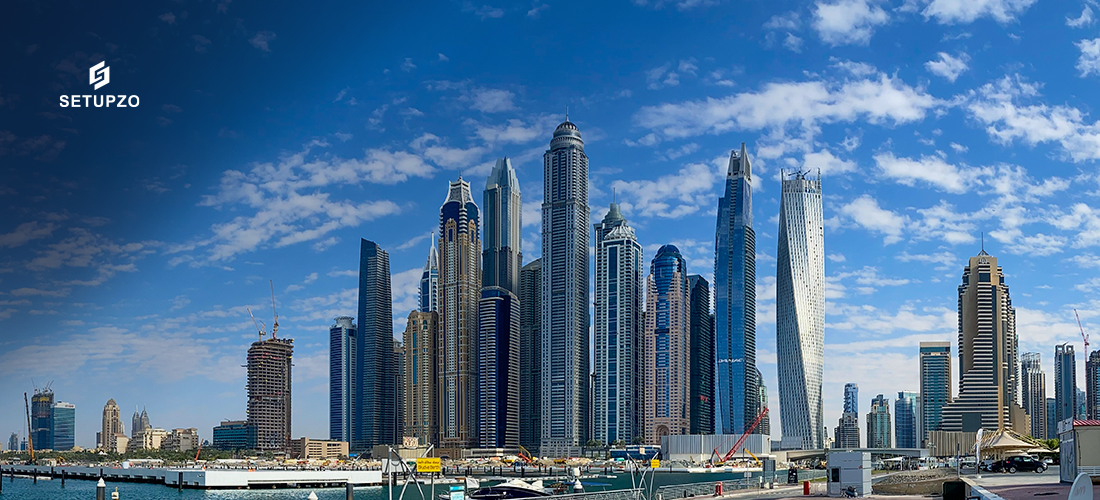
Dubai draws entrepreneurs from around the world with its booming economy and open doors. The city blends modern innovation with a prime spot between East and West. Its push to grow beyond oil has created a welcoming spot for new ventures. In 2026, expect even smoother rules and tech-driven processes to help you launch fast. This guide walks you through every step. You'll get a clear path to turn your idea into reality.
Section 1: Foundation and Planning – Defining Your Dubai Business Strategy
You need a solid base before diving into paperwork. Think of this stage as mapping your route across the desert. The UAE ranks high in ease of doing business, climbing to 16th globally in recent World Bank reports. That score shows quick reforms in registration and taxes. These changes make Dubai a top pick for startups in 2026.

1.1 Market Research and Feasibility Study for the UAE
Know your market inside out to avoid costly mistakes. Start by spotting local demand for your product or service. Use online tools like Google Trends or UAE government data portals to gauge interest.
Talk to locals or join expat groups on forums. This helps you grasp cultural habits, like how family ties shape buying choices. Hire a local firm for a full feasibility study if your budget allows. They can crunch numbers on costs and profits. Aim to finish this in one to two months. Your findings will guide whether Dubai fits your plan.
1.2 Selecting the Optimal Business Structure
Pick the right setup to match your goals and risks. Mainland companies let you trade anywhere in the UAE without limits. Free zones offer perks like no taxes on profits and full ownership for foreigners. Offshore options suit holding companies but limit local operations.
Here's a quick comparison:
| Structure | Ownership | Market Access | Tax Benefits |
|---|---|---|---|
| Mainland | Up to 100% foreign (in most sectors) | Full UAE access | Standard rates apply |
| Free Zone | 100% foreign | Limited to the zone or exports | Zero corporate tax for 50 years |
| Offshore | 100% foreign | No local trading | No taxes, but restricted activities |
Weigh costs too; free zones often charge setup fees of around AED 15,000 to 50,000. Mainland might need a local partner in some cases, though rules eased in 2021. Choose based on your scale. A tech firm might thrive in a free zone like Dubai Internet City.
1.3 Determining Visa Requirements and Sponsorship Needs
Visas keep your team legal and ready to work. As an investor, you can get a five-year residency visa with a business license. Employee visas are tied to your sponsorship as the employer. Dependents join if you meet income thresholds, often AED 10,000 monthly.
Recent laws allow 100% foreign ownership in many areas, cutting the need for local sponsors. But for mainland setups in restricted fields like trading, you might still need one. Check the Ministry of Economy site for updates. Plan visas early; they take four to six weeks. This step ensures you and your staff can live and work without hitches.
Section 2: Legal Framework and Licensing – Navigating the Regulatory Landscape
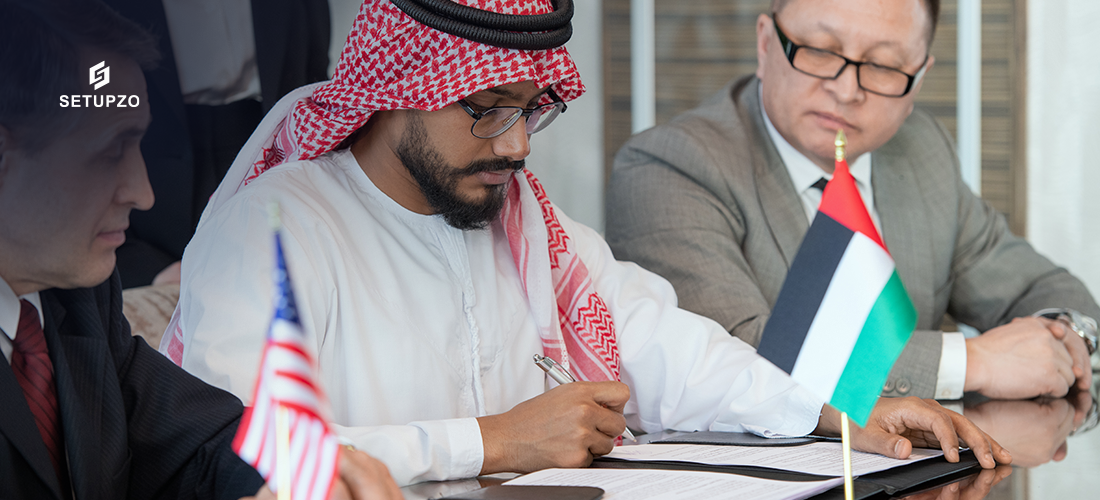
Now tackle the rules that make your business official. By 2026, most steps will go digital through portals like the DED's online system. This cuts wait times to days instead of weeks. Focus on compliance to avoid fines up to AED 50,000.
2.1 Choosing the Right Jurisdiction: Mainland vs. Free Zone Deep Dive
Your jurisdiction shapes your reach and costs. Mainland businesses, licensed by the Department of Economic Development (DED), open doors to all UAE customers. You can bid on local contracts and import freely. Drawbacks include higher setup fees and occasional sponsor needs.
Free zones like DMCC for commodities or JAFZA for logistics give tax breaks and easy repatriation of funds. You own everything, but trading stays zone-bound unless you add a mainland branch. Professional licenses suit consultants; commercial ones fit traders. Pick mainland for broad sales, free zone for global focus. Many start in a free zone, then expand.
2.2 Trade Name Reservation and Initial Approval
Reserve your business name first to lock it in. Use the DED portal for the mainland or the free zone's site. Names must be unique, not offensive, and include your activity, like "ABC Trading LLC."
Avoid generic terms or religious references. Approval comes in 24 to 48 hours if it passes. Fees run AED 620 for a reservation. This step prevents branding clashes later. Once set, it leads to your initial license approval.
2.3 Securing Necessary Third-Party Approvals
Some sectors demand extra nods before full licensing. Finance needs Central Bank clearance; health requires Ministry of Health checks. Food businesses get Dubai Municipality approvals for hygiene.
Submit plans, qualifications, and site details. Timelines vary from two weeks for basics, months for complex fields. Budget for consultant help if you're new. These approvals ensure safety and fit local standards. Skip them, and your license stalls.
Section 3: Financial Setup and Operational Readiness

With your license in hand, set up money matters and space. This phase turns legal status into daily operations. Banks and taxes demand quick action to stay compliant.
3.1 Opening Corporate Bank Accounts in the UAE
A local bank account handles payments and builds trust. Major banks like Emirates NBD or Mashreq require your license, passport, and Emirates ID. Expect KYC checks, including source of funds proof.
Minimum balances start at AED 50,000. Digital banks like Liv offer faster setups for small firms. It takes one to two weeks. This account lets you receive AED and trade globally. Without it, growth slows.
3.2 Understanding Corporate Tax and VAT Compliance for 2026
UAE corporate tax hits 9% on profits over AED 375,000 from 2023. Free zones often exempt qualifying income. Register if your revenue tops AED 375,000 yearly.
VAT at 5% applies to most goods and services over AED 375,000. File returns quarterly via the FTA portal. Hire a tax expert early, they spot deductions and avoid penalties up to 200% of the due tax. Stay updated on 2026 tweaks, like green incentives. Proper setup saves headaches.
For side hustles turning full-time, check resources on scaling small ideas while managing compliance.
3.3 Office Space Solutions: From Flexi-desks to Physical Leases
Every business needs an address for licenses and visas. Flexi-desks in free zones cost AED 5,000 yearly and suit solos. They provide mail handling and meeting rooms.
Co-working spots like WeWork offer flexible plans from AED 1,000 monthly. Physical leases for larger teams run AED 50,000 plus annually in business areas. Visa quotas tied to space, bigger offices allow more staff. Start small, then upgrade as you grow. This choice affects your daily vibe, too.
Section 4: Staffing, Immigration, and Operational Compliance
Bring in people and keep everything legal. UAE laws protect workers while letting businesses run smoothly. Plan for at least three months on these steps.
4.1 Applying for Establishment Cards and Employee Visas
Get an establishment card from the Ministry of Human Resources first. It proves your right to sponsor staff. Costs AED 2,000 and takes days.
Then apply for visas via Amer centers. Submit medical tests, Emirates ID apps, and labor contracts. Processing runs for four weeks per employee. Track quotas mainland allow six visas per AED 300,000 share capital. Renew every two years. This builds your team fast.
4.2 Mandatory Labor Law Compliance and Employment Contracts
UAE labor laws set fair terms for all. Contracts must detail salary, hours (max 48 weekly), and probation up to six months. End-of-service pay equals 21 days' wage per year.
Health insurance has been mandatory in Dubai since 2014. Fines for non-compliance reach AED 100,000. Use templates from MOHRE, but customize. Train HR on rules to avoid disputes. Happy staff boosts productivity.
4.3 Implementing Digital Compliance and Data Security Protocols
New data laws like the UAE's PDPL require safe handling of information. Appoint a data officer and use encryption tools from day one.
Follow cyber rules from TDRA for online ops. Train staff on phishing and backups. Costs for software start low at AED 5,000 yearly. Breaches lead to big fines. Strong systems protect your rep and meet 2026 standards.
Conclusion: Sustaining Growth and Long-Term Success in Dubai
Starting a business in Dubai means smart planning, wise jurisdiction picks, and full compliance. You've got the steps: research markets, secure licenses, set finances, and staff up right. Dubai keeps drawing talent with its stable growth and investor perks.
Looking ahead to 2026 brings more digital tools and sector openings. Contact Setup Zo, we are prepared well to grab these chances. Your success starts with action today. Consult pros for your unique setup and launch strong.